
"Vietnam dripper"
3700 article(s) found
Brand introduction-which brand of Vietnamese coffee beans is G7 coffee the best coffee beans in Vietnam?
Professional coffee knowledge exchange more coffee bean information please follow the coffee workshop (Wechat official account cafe_style) Vietnamese coffee Vietnam location is very conducive to coffee cultivation, Saigon coffee products used in each bean, are selected from the best coffee areas in the Vietnamese plateau, with special cream refined baking, outstanding cream, coffee mellow, coffee

Introduction to Vietnam G7 boutique coffee, one of the most famous coffee.
G7 coffee is one of the most famous coffee in Vietnam. Each coffee bean is selected from the best coffee area in the Vietnamese plateau and baked with special cream. The creamy, mellow Wiener three-in-one instant coffee is produced and exported by Vietnam Bian Heweina Co., Ltd., the market share of Vina coffee in Vietnam has been maintained at more than 45%, in the leading position. At present, Wiener has been connected.

Vietnam Coffee producing areas Coffee varieties Coffee picking methods Coffee beans in three major producing areas two major species introduction
Vietnam Coffee Flavor description Vietnam (Vietnam) well-known representative coffee: Vietnam coffee Vietnam is also one of the top coffee producers in the world. At present, the vast majority of coffee trees in Vietnam are Robusta, because the leaf rust in the middle of the 19th century destroyed the Arabica coffee trees in Vietnam, and all of them were resistant to leaf rust.

Introduction to boutique coffee beans-- Vietnamese coffee Vietnam G7 coffee Vietnam coffee unique flavor Vietnam
Vietnam's geographical location is very favorable for coffee cultivation. Southern Vietnam has a hot and humid tropical climate, which is suitable for growing ROBUSTA coffee, while the north is suitable for growing ARABICA coffee. Each coffee bean used in the current production of Saigon Coffee is selected from the best coffee areas in the Vietnamese plateau and is made with special cream, with outstanding milky aroma, mellow coffee flavor and Saigon aroma.

Vietnam is one of the top coffee producing countries in the world.
Vietnam (Vietnam) well-known representative coffee: Vietnam Coffee Vietnam is also one of the top coffee producers in the world. At present, the vast majority of coffee trees in Vietnam are Robusta, because the Arabica coffee trees in Vietnam were destroyed by leaf rust in the mid-19th century and replaced with Robusta coffee trees that are resistant to leaf rust.

How to use Vietnam drip pot-Vietnam what kind of coffee needs to drip
How to use the Vietnam drip pot-Vietnam What kind of coffee needs to drip Vietnam coffee pot Use method 1. Disassemble the Vietnam drip pot and remove the sieve inside; 2. Pour the condensed milk into the coffee cup for later use; 3. Add the coffee powder into the drip pot and press it tightly. The more 10~15 grams per person; 4. Put the drip pot on the coffee cup and pour a small amount of hot water to soak the coffee powder.

Introduction of Vietnamese Fine Coffee Vietnam Fine Coffee taste Vietnam Coffee producing area Vietnam
Vietnam's geographical location is very favorable for coffee cultivation. Southern Vietnam has a hot and humid tropical climate, which is suitable for growing ROBUSTA coffee, while the north is suitable for growing ARABICA coffee. Each coffee bean used in the current production of Saigon Coffee is selected from the best coffee areas in the Vietnamese plateau and is made with special cream, with outstanding milky aroma, mellow coffee flavor and Saigon aroma.
Vietnam grows robusta coffee beans and Arabica, general situation of Vietnamese coffee industry
Professional coffee knowledge exchange more coffee bean information Please pay attention to the coffee workshop (Wechat official account cafe_style) Vietnamese beans are really a partial choice absolutely avoid the Vietnamese production of sun-treated / dried Robbosa beans, they are knocked from trees on a large scale, rather than selectively picked, the processing is also very rough, raw beans often ferment and deteriorate. The more the sun shines,

History of coffee beans grown in Vietnam Brand Price Flavor Description Taste Treatment Introduction
Vietnam coffee planting area is about 500,000 hectares, 10%-15% belong to state-owned enterprises and farms, 85%-90% belong to farmers and manor owners. The size of the estate is small, usually 2-5 hectares, and the large estate is about 30-50 hectares, but the number is small. Vietnamese coffee ranks second only to rice among Vietnam's export agricultural products.

The nearby blue bottle gift concept store settled in Taiwan in January 2019 before the coffee arrived.
Professional coffee knowledge exchange more coffee bean information Please follow the coffee workshop (official Wechat account cafe_style) Blue Bottle Coffee, which only heard the sound of the stairs but no one came down, finally released the news of its debut today, but not the hand-washed coffee shop that everyone has been waiting for, but first met with Taiwanese consumers from the gift concept shop selling products around the small blue bottle. Founded in two

Vietnam Coffee Guide-what brand of coffee tastes good in Vietnam? How to brew authentic Vietnamese coffee?
Professional coffee knowledge exchange more coffee bean information please follow the coffee workshop (Wechat official account cafe_style) Vietnam is not famous for coffee, but with the increasing number of exports, people also began to pay attention to the Vietnamese coffee industry, exports in 2012 even beat the coffee giant Brazil, but also occasionally heard someone mention Vietnamese coffee, this article takes you
The taste of three-in-one instant coffee in Vietnam Coffee cultivation and extraction of Vietnamese coffee beans
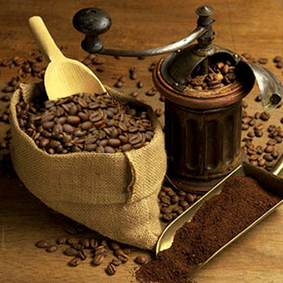
Vietnamese coffee has a strong flavor, light sour taste, smooth and moist taste, slightly bitter in mellow, full-bodied, refreshing and refreshing. The representative products are moossy Coffee, Central Plains Coffee (G7 coffee), Saigon Coffee (SAGOCAFE) and Highland Coffee. The geographical location of Vietnam is very favorable for coffee cultivation. Southern Vietnam has a hot and humid tropical climate, which is suitable for growing RO.
Why is the epidemic in Vietnam so serious that the price of Robusta coffee soared by 50% due to the ban in Vietnam?
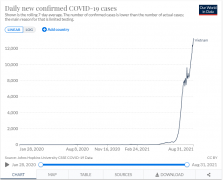
Since 2020, the COVID-19 epidemic began to spread all over the world. In January 2020, Vietnam found that the first case of COVID-19 infection began to strictly inspect all inbound flights in just seven days, and later even suspended classes indefinitely. Under this high standard of epidemic prevention measures, Vietnam successfully brought the epidemic under control and boarded the 2020 released by the Loy Research Institute in Australia.

Vietnam, the second largest coffee exporter in the world
Almost all of the world's robusta coffee beans (Robustabean), which are often used to make instant coffee and high-end coffee blends, are exported from Vietnam. Vietnam is the world's second largest exporter of coffee, surpassing Colombia and second only to Brazil. Vietnam has a long history of coffee production, but the development and expansion of its production scale began in the last 20 years. Experiencing
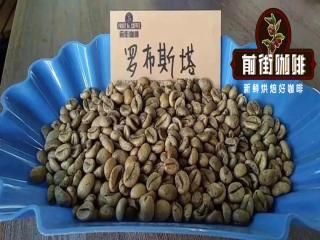
Vietnamese Coffee | Coffee planting in Vietnam Coffee production areas
The earliest coffee grown in Vietnam was brought to Vietnam by the French in 1867. The manor planting model used only began to form a commercial scale in 1910. Later, coffee cultivation was interrupted because of the Vietnam War. After the war, coffee began to be collectivized, resulting in a decline in output value and production, to 20,000 hectares.

Vietnam Coffee Origin, Vietnam Coffee introduction
Following caf é vdailycom (official account of Wechat) found that it is a daily habit for Vietnamese to open a small shop of their own to drink coffee. Vietnamese cafes are very common, not high-spending places, and ordinary coffee costs only a few yuan. Vietnamese coffee is not brewed in a coffee pot, but a special dripping coffee cup, underneath with an ancient printed glass.

Vietnam coffee bean yield drinking method producing area information variety
The exchange of professional baristas please follow the coffee workshop (Wechat official account cafe_style) said that when it comes to coffee producing areas, Vietnam does not seem to have the top beans in the world, but in terms of world coffee output, Vietnam has always been the leader in terms of world coffee output. In recent years, Vietnam has not only remained in the top several places, but also jumped to become the world's largest coffee exporter in 2012, surpassing for the first time.
Introduction to the Variety characteristics of Coffee beans in Vietnam
Vietnam's geographical location is very favorable for coffee cultivation. Southern Vietnam has a hot and humid tropical climate, which is suitable for growing ROBUSTA coffee, while the north is suitable for growing ARABICA coffee. Coffee production in Vietnam has the following characteristics: (1) because there is no effective way to deal with fallen leaves, medium-grain coffee was selected as the main variety in the early 1980s. (2) take planting technology as

Vietnam Coffee is the second largest coffee exporter in the world
Almost all of the world's robusta coffee beans (Robustabean), which are often used to make instant coffee and high-end coffee blends, are exported from Vietnam. Vietnam is the world's second largest exporter of coffee, surpassing Colombia and second only to Brazil. Vietnam has a long history of coffee production, but the development and expansion of its production scale began in the last 20 years. Experiencing